
The work is still going well. It is costing more to keep it that way.
Private Coaching for academic leaders, educators, and people whose work carries significant responsibility: success rarely stops working all at once. We stay accomplished and deeply invested while beginning to wonder how long we want to keep doing it this way.

We are still capable. That isn’t the problem.
The email comes in late and we answer it because dealing with it now feels easier than leaving it until tomorrow.
Someone asks if we can take something on and yes is already out of our mouth before we have considered what the week actually holds.
The meeting goes well, but in the car afterward we are still replaying what we said, what we should have said, and how it landed.
Each of those responses comes from something we are genuinely good at. Those capacities have made a great deal possible.
But capability does not equal obligation.
And success should not have to keep costing us what it did to get us here.
PRIVATE COACHING
We can start with what is getting harder.
A request we want to decline but keep finding reasons to accept. A decision we keep revisiting. Work we care about that keeps taking time we meant to spend elsewhere.
These are situations we can bring into coaching. We look at what our familiar response is accomplishing, what it asks of us now, and what another way forward could look like.
THE BECOMING mBODYed METHOD
Before we ask what needs to change, we need to understand what is already making this work.
The Becoming mBODYed Method helps us recognize the patterns we rely on, understand what they have made possible, and create more options for how we respond when the stakes are high.
The goal is not to become calmer, care less, or eliminate pressure.
It is to have more access to what we need, what we think, and how we actually want to respond while the moment is still happening.
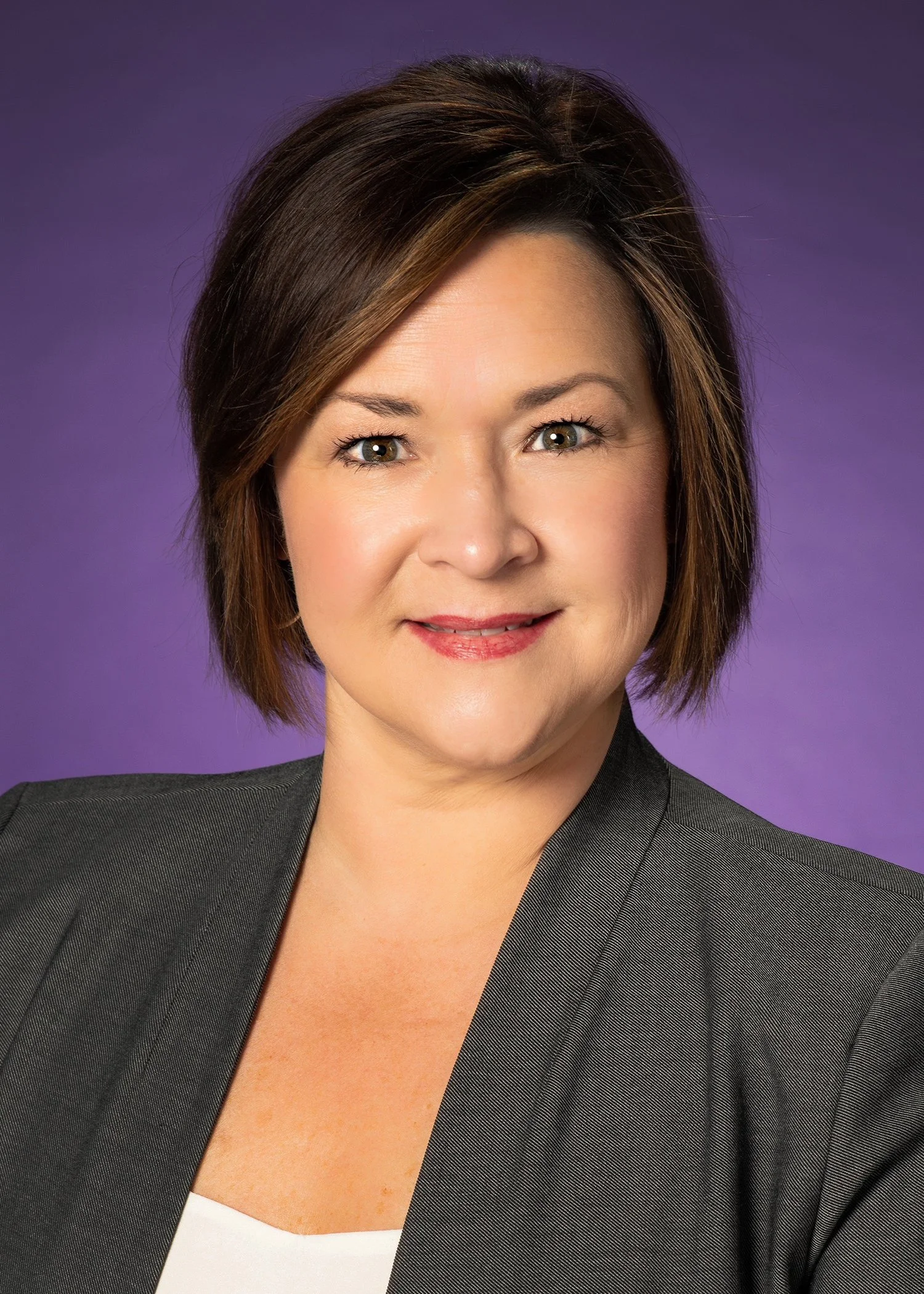
“Shawn understands the academic environment from the inside.
As an accomplished educator who moved from adjunct to tenured studio professor, he knows the pressures faculty carry and the physical and emotional cost of sustaining excellence.
His integration of somatic training with professional realities makes his work both practical and deeply relevant.”
Dr. Amy Hardison Tully
Dean, College of Fine Arts, Texas Christian University
ARCHETYPES
We all have familiar ways of responding when the stakes rise.
We may work harder. Take responsibility. Agree to do more. Look for reassurance. Make ourselves easier to accommodate. Withdraw. Try to resolve uncertainty before moving forward.
The Becoming mBODYed Archetypes help us recognize those patterns without treating them as flaws to fix.

About Shawn
I’m Shawn L. Copeland, DMA, an Executive Coach and creator of the Becoming mBODYed Method.
Before becoming a tenured professor, I spent seven years holding as many as four positions at once, across three fields and three states, doing everything success seemed to require. I know from the inside what it means to become exceptionally capable at meeting those demands, and what happens when the cost of maintaining it keeps rising.
THE BECOMING mBODYed NEWSLETTER
A short weekly letter about making clearer choices under pressure, knowing what actually deserves our effort, and keeping meaningful work from taking over the rest of our lives.

If the work is still going well and the cost keeps rising,
that is a good place to start.
A private coaching conversation is a focused first conversation about what is happening in your work now and whether it’s a fit.