
INSTITUTIONAL INTELLIGENCE
A growing body
of thought.
These essays examine how institutions develop patterns under pressure, what those patterns cost, and what becomes possible when they can finally be seen clearly. Written from twenty years inside performing arts institutions, conservatories, and mission-driven organizations.
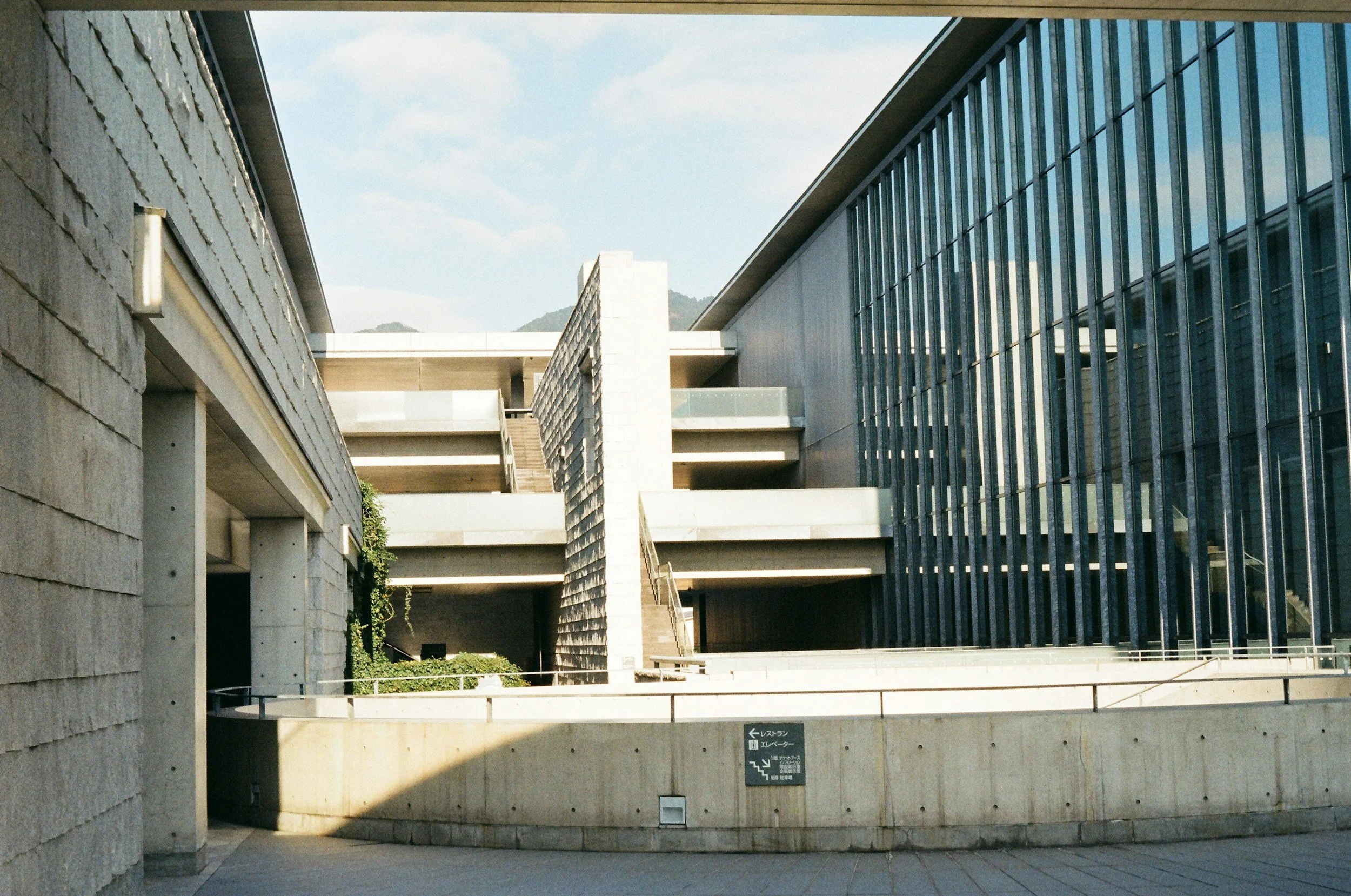
When the Words Are Right, and the Room Is Wrong
A direct examination of how institutional culture shapes behavior beneath stated values. Drawing from two decades inside academic and professional systems, this piece traces how adaptation becomes identity, how language replaces structure, and how environments that claim to support belonging often require its quiet abandonment.
It names the mechanism clearly: people and institutions both reorganize under pressure, narrowing range while maintaining performance. Over time, what once enabled success becomes what limits it. The result is not visible failure, but sustained performance at increasing cost.
The article introduces institutional betrayal not as a singular event, but as the accumulated absence of response over time. It challenges the assumption that values alone create culture, arguing instead that only structure, accountability, and operationalized commitments produce real conditions of safety and belonging.
The piece concludes by positioning external perspective not as optional, but as necessary. Systems cannot accurately perceive themselves from within the adaptations required to survive them.